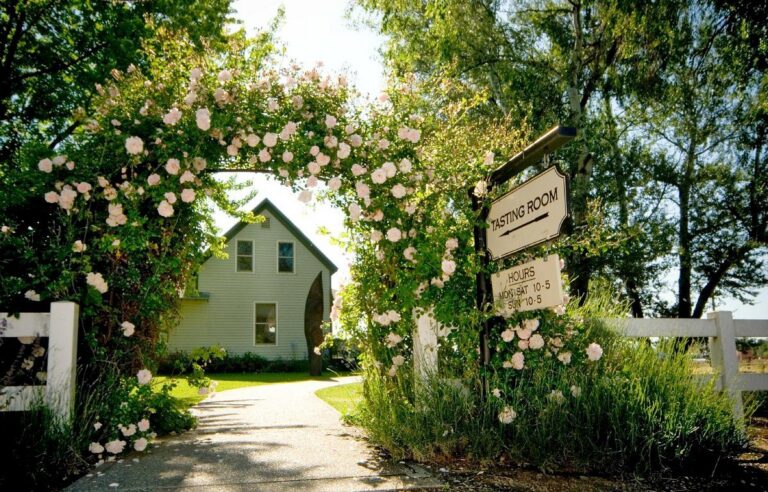
The Wines of Washington Tasting Room brings together a collection of boutique Washington wineries in the heart of Pike Place Market. Each producer has its own winemaking style and point of view, giving guests a chance to explore the range of Washington wine through the people who grow and make it.
Our wineries: Nine winemaker-owned producers, one iconic Seattle destination
The collective focuses on wines made with the land in mind. Our lineup includes certified Organic and Biodynamic wines, Sustainable WA vineyards, Salmon-Safe farming, carbon-neutral production, and other responsible practices. Certifications and approaches vary by producer, but all reflect a shared respect for the land and the people who work it, offering different ways to experience organic and sustainable Washington wine.
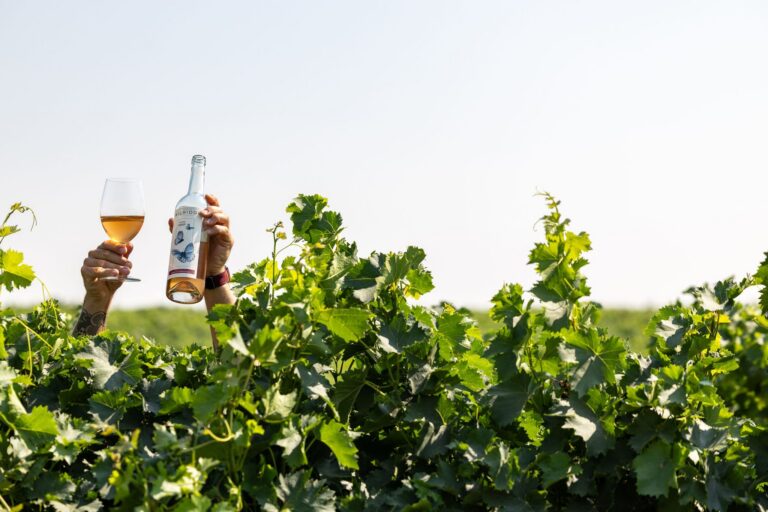
Organic & Sustainable Washington Wine
Washington wine spans a broad and diverse landscape, and many of the state’s wineries are located hours from Seattle. The Wines of Washington Tasting Room brings a cross-section of that landscape into a single Pike Place Market destination, making it easy to taste across producers, grape varieties, and growing regions without leaving the city. Over 100 wines and spirits are available to taste daily.
The Producers
Shop all wineMember Wineries
-
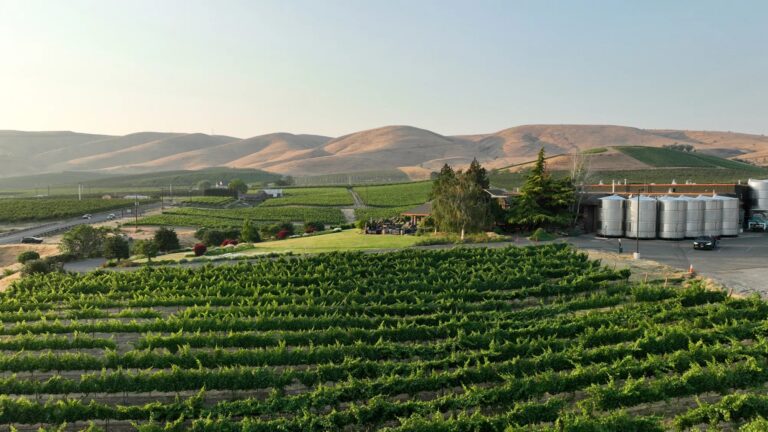
Yakima, WA: Wilridge Vineyard, Winery & Distillery
Wilridge is a pioneering Washington winery and distillery that helped define what our region could be and continues to move it forward. Environmental responsibility guides how they farm and make wine, so the character of the land stays front and center.
Certified Organic | Biodynamic®
Carbon Neutral | Salmon Safe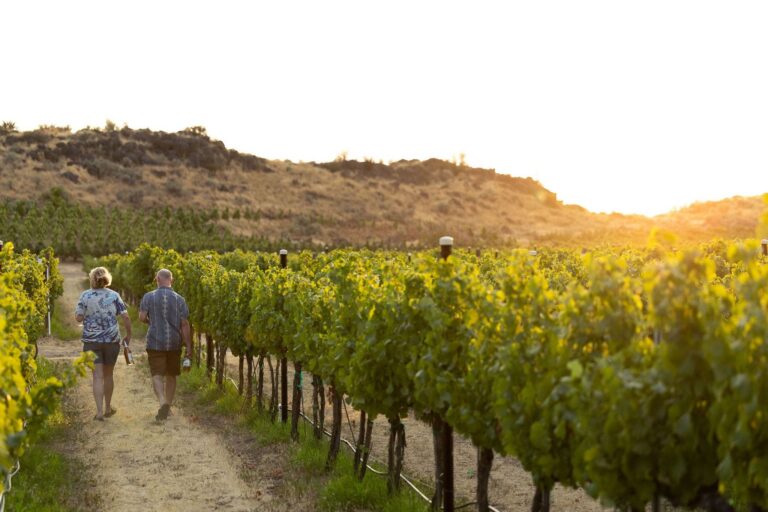
-
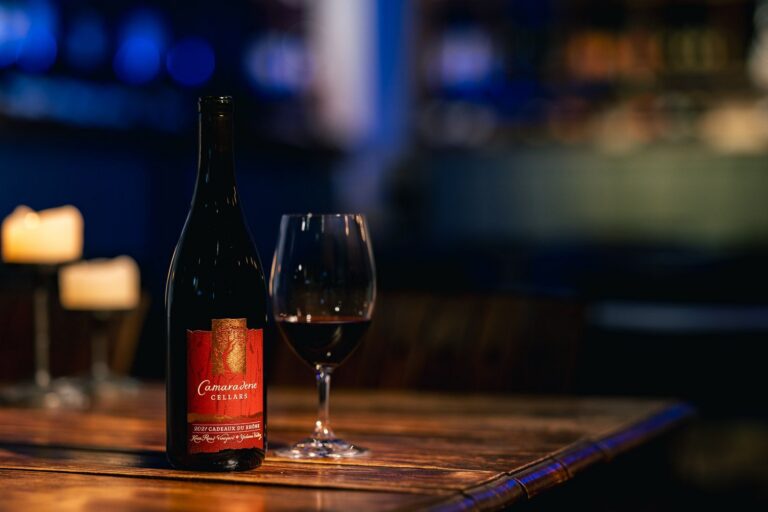
Port Angeles, WA: Camaraderie Cellars
Family-owned and operated since 1992, Camaraderie Cellars produces small-lot wines from vineyards across Eastern Washington. Based in Port Angeles, the winery follows a simple philosophy: wine is best enjoyed in good company and meant to be shared.
-
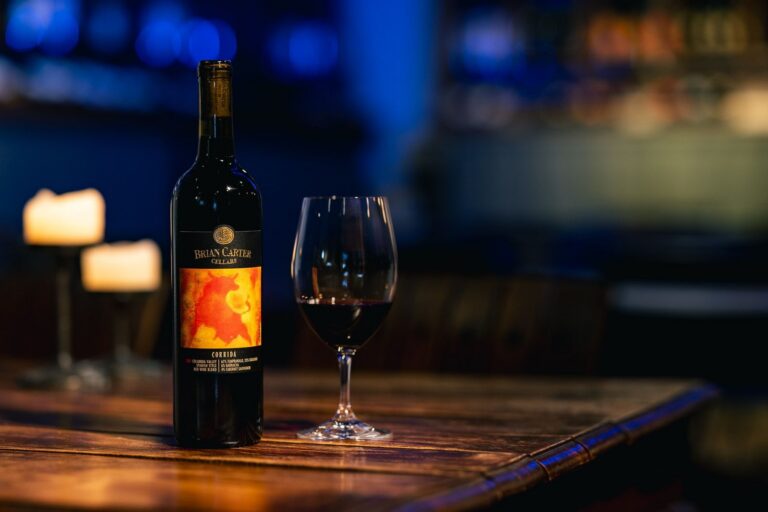
Woodinville, WA: Brian Carter Cellars
Brian Carter Cellars is dedicated to the art of blending, bringing European wine traditions together with Washington-grown fruit. Its handcrafted wines emphasize balance, food friendliness, sustainable grape growing, and minimal-intervention winemaking.
-
Columbia Valley, WA: Sagemoor Estates
First planted in 1972, Sagemoor is one of Washington’s longstanding vineyard estates. Its estate-grown wines reflect more than 50 years of farming experience across Sagemoor’s historic vineyard sites.

-
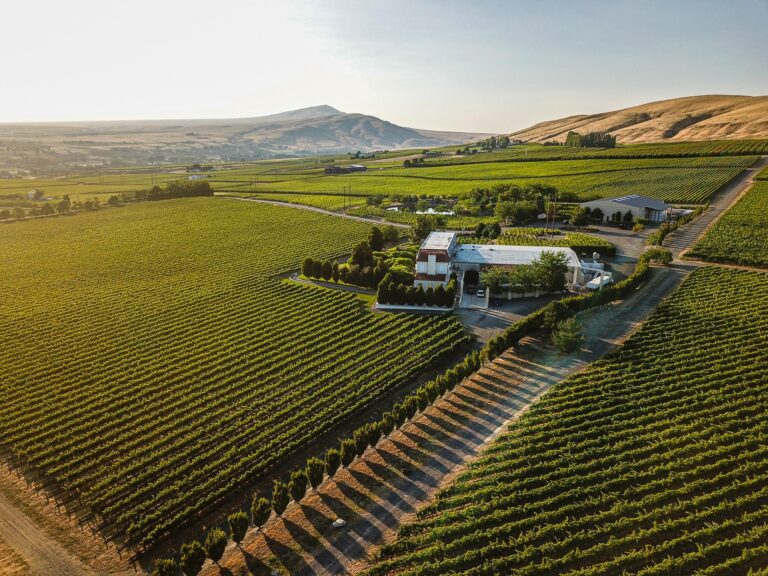
Red Mountain AVA, WA: Ambassador Wines of Washington
Ambassador produces 100% estate-grown wines from its vineyards in the Red Mountain AVA. Sustainable farming has been part of the approach from the beginning, with an emphasis on water conservation, soil health, and careful stewardship of the land.
Featured Wineries
-
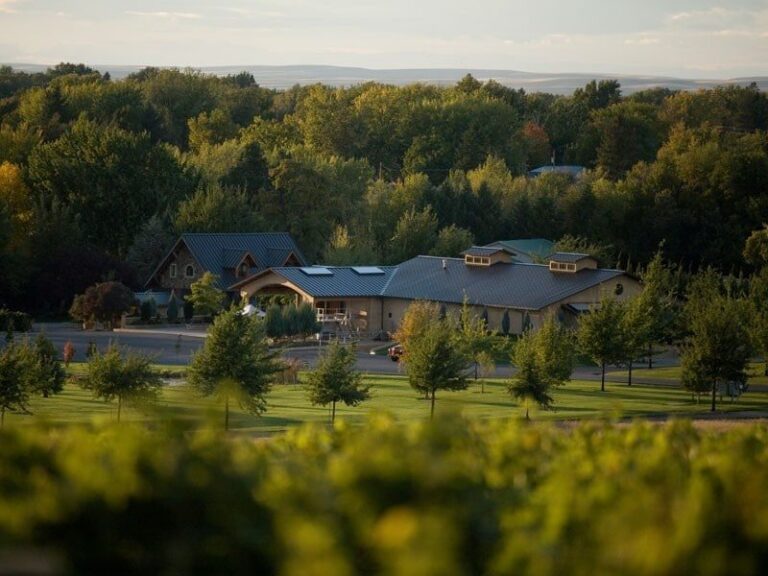
Walla Walla, WA: Leonetti Cellar
Founded in 1977 as Walla Walla Valley’s first commercial winery, Leonetti Cellar is a family-owned pioneer producing entirely estate-grown wines. Fourth-generation stewardship guides its vineyard program, with a strong focus on sustainable and regenerative farming practices.
-
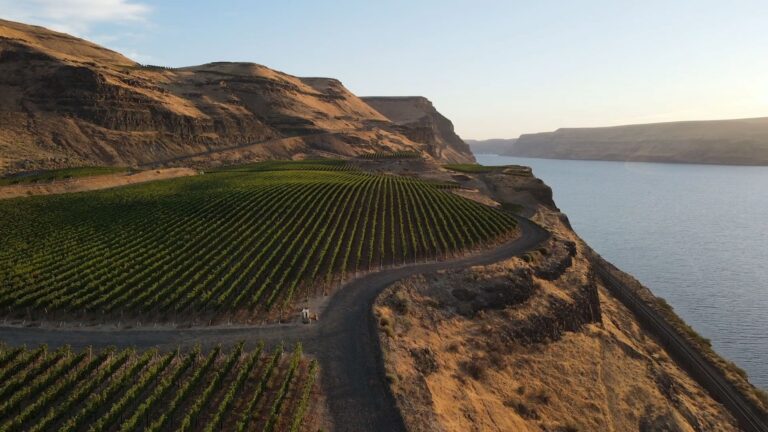
Snohomish, WA: Quilceda Creek
Founded in 1978, Quilceda Creek has built its reputation around a singular focus on Washington Cabernet Sauvignon. The family owns and farms vineyard sites in Red Mountain and the Horse Heaven Hills, with complete control over farming decisions and a precision-driven approach focused on vine health, site expression, and fruit quality.
-
Wapato, WA: Treveri Cellars
Family-owned Treveri Cellars opened in 2010 with a mission to put Washington sparkling wine on the map. Using the traditional method, the winery combines Old World technique with Washington-grown fruit, including grapes from estate vineyards farmed organically.
-
Walla Walla, WA: Woodward Canyon Winery
Founded in 1981, Woodward Canyon is one of the pioneering wineries of the Walla Walla Valley. The Small family has farmed the land for four generations, and today its estate vineyard is Salmon-Safe certified, with the family also experimenting with organic and regenerative farming practices as part of their ongoing commitment to stewardship.